Business Ideas

Printing and Publishing,Sports, Travel Business,Wedding Business, Wholesale and Retail Businesses

Business Ideas

Inport, Export, Manufacturing, Marleting,Oil and Gas, Online and Internet, Pet Business, RealEstate

This is 4profitablebusinessideas.com

We feature lots of small business ideas from various industries.

Business Ideas

Age grade,Agriculture,Farming,Art and Craft,Business Services,Education,Beauty and Personal care business ideas.

Business Ideas

Fashion and Style, Auto and Transport, Food, Healthcare,Entertainment and Events, Work from Home

Welcome to our website.

How to Start an Umbrella Manufacturing Company

The simple umbrella is ideal for climatic conditions like snow, rain or sunlight. The scourging heat of the sun can cause sunstroke, burns and eye problems. Rain also has its bad side and health related issues. 
The demand is huge and predicated on population explosion in most countries including climatic change. Early history of the device has seen different forms of the modern umbrella.
The business is profitable and you need good manufacturing equipment, effective marketing and startup funding. A smart entrepreneur can leverage on the demand during rainy season
Apart from local consumption you also have demand from foreign markets. Here are a few ideas on how to start an umbrella manufacturing business.
girl with umbrella
Types of Umbrellas
When it comes to umbrellas there are a few options. They depend on style, fabric, or portability. We have the fold-able ones, classic, golf, automatic, and storm or bubble umbrellas. 
The golf umbrella has an extra large canopy over 70 inches in diameter. Automatic ones open and close at touch of button, storm types are extra strong and made from re-enforced material.
The bubble umbrella is spherical in shape while the classic is the common type found in every household. Finally the fold-able ones are easy to carry in a handbag and ideal for sudden storms.
Different Umbrellas
·  Storm Umbrellas
·  Automatic Umbrellas
·  bubble Umbrellas
·  Classic Umbrellas
·  Golf Umbrella
·  Foldable Umbrella
The Design
Although there are different variations and designs there are basically two types. The two types are differentiated by the structure and functionality. You have the three and one fold umbrella. The three fold is more compact and handy than the two fold.
Learn how to Make Umbrellas
You need to learn the trade and understand the manufacturing process. There are many ways to acquire the knowledge. You could read a book, manual or eBook. Other ways include trade workshops, technical or vocational training. More ways involve attending a seminar or online articles.
umbrella
Raw Materials
Modern umbrellas are assembled by hand. The revolutionary U shaped steel rod developed by Samuel Fox around 1850 is still in use.
Common components in the manufacturing process are rounded metal ribs, stretchers, fabric. Others are ferrule cups, plastic/wooden handles, notches. More materials are spring ball cups, waterproof cloth, chrome plated steel tubes.
Materials
U shaped Steel rods
Rounded metal ribs
Waterproof Cloth
Notches and plastic handles
Ferrule cups
Spring ball cups
Chrome plated steel tubes
Stretchers
Fabrics

Manufacturing the Product
The first step is to buy quality components. The business is practicable small or large scale depending on the number of units produced daily.
The process of manufacturing requires hand assembling and quality control measures. It is important to focus on either collapsible or stick umbrellas. Here are some guidelines on how to produce one fold stick products.
The Shaft
The shaft of the product depends on the length you want to achieve. It could be made from wood, fiberglass, aluminum or steel.
The Stretcher and Ribs
Once you have the shaft use channeled steel or other material to create the U shape. The ribs are positioned under the canopy and connected by stretchers. The ribs are then attached to the shaft and fitted in a plastic mechanism, round nylon, notch and held with a thin wire.
Then connect stretchers to shaft with a metal runner that creates the open and close motion. Then use a joiner to connect the stretcher and ribs. Make sure the joiner achieves an open and close motion at 90%.
To slid open the umbrella attach two catch springs in the shaft. This is possible because the shaft is usually hollow. Above the upper catch spring a pin prevents the canopy from running beyond the upper catch spring and sliding past the top of the umbrella.
Canopy Cover
The choice of canopy cover should be a waterproof material. Sew the material to the ribs and shape the canopy. Sew panels to outer edges and establish connection between ribs and panels. The number of panels could be indicative of quality and craftsmanship. A ferrule is affixed over the tip of the umbrella.
The Handle
There are different choices of material used as the handle. The handle is then connected to the base of the shaft. Different materials used as handles include wood, bamboo, plastic, and fiberglass or metal.
How to Make an Umbrella
1. Making the Shaft
2. Assembling the ribs and stretchers
3. Cutting and sewing the canopy cover
4. Fixing the handle
umbrella
Quality Control
The final product goes through extensive testing and quality control. It should pass basic standardized test and quality assessment.
Licensing
Apply for the appropriate business license as a sole proprietor or limited liability company. You need an employer identification number from the Inland Revenue service. Protect from general liability by getting insurance cover. Find out if your product attracts value added tax.
Financial Considerations
The financial considerations are rent for land or building. You need working capital, experienced staff, and equipment. The equipment covers machinery, hand tools, furniture.
You need money to purchase raw materials, utilities. Map out a comprehensive financial analysis, turnover, and total sales including net profit.
Determine the fixed income, fixed cost and capital investment you need. To secure funds approach a trade bank with your business plan. You need collateral, guarantors and 1/3 of loan requested in your bank account.
Fixed Cost and Expenditure
Your fixed cost is determined by rent and depreciation of machinery. Other parameters include interest on capital, salary wages and other expenses. The expenditure is consumables, electricity, water and rent. Others are marketing, packaging, freight expenses, postage and stationery.
Machinery and Equipment
Umbrellas are generally assembled by hand by a technician. The equipment you need include hand tools like hammer, stamping block, measuring tape. Other hand tools are scissors, chisel, and punches. You need a sewing machine, cutting table and racks.
Equipment
1 Hammer
2. Stamping block
3. Measuring tape
4. Scissors
5. Chisel
6. Punches
7. Sewing machine
8. Cutting table
9. Racks.
Marketing
To succeed you need to produce high quality products. Make sure the price is competitive with those produced in your demography. Leverage on creative designs, attractive products and strategic marketing.
You need sales representatives, wholesalers and retailers. Use television advertisement, radio, billboards and flyers to push the product. Offer sales agents good commission on sale of each unit.
Related Posts


How to Start a Ceiling Fan Manufacturing Business

Introduction
A ceiling fan is a mechanically operated device powered by electrical current to form a rotary motion. The fan is mounted on a ceiling and the extended blade due to circular motion circulates air.
The speed of the rotary motion is relatively slow in comparison to standing or desk fans. The climate control energy of a fan is predicated on the reduction of stratification-air in the room.
There are many components that go into the manufacture of the product. Investors in this industry need moderate to huge capital to start a ceiling fan manufacturing business
Types of Ceiling Fans
If you are interested in investing in fan manufacture you need to identify the different types of ceiling fans. The type depends on the design, functionality, energy consumption, decorative style and technology.
Common types are the synchronous motor mini, high volume low speed or huge fans. The synchronous fan is small plastic fan while the high volume low speed variety has large diameter fans ideal for huge spaces such as reception halls, warehouses.
More types of fans include DC ceiling fan, bladeless fan, belt driven fans and friction drive fans. More are gear drive fans, internal belt driven ceiling fan skeleton motors. You also have the direct drive ceiling fan, spinner fans, cast iron, 20 pole induction motor ceiling fan.
ceiling fan
Fan Types
1. Synchronous motor mini
2. High volume low speed
3. Huge fans
4. DC ceiling fan
5. Bladeless fan
6. Belt driven fans
7. Friction drive fans
8. Gear drive fans
9. Internal belt driven ceiling fan
10. Skeleton motors
11. Direct drive ceiling fan
12. Spinner fans
13. Cast iron
14. 20 Pole induction motor ceiling fan.
Manufacture, Wholesale or Retail of Ceiling Fans
Before entering into the business you need to determine the sector of interest. You can choose to manufacture the fans, become a wholesaler or retailer. Manufacturing requires knowledge of electric fan assembling, marketing and branding.
You need a good location, warehouse, raw materials and appropriate equipment. The business is highly competitive and lucrative. A small business owner has to compete with top brands in the market.
To succeed the entrepreneur needs proper funding, technical knowledge, professional staff and strategic marketing. It is important to focus on a nice and specialize.
ceiling fan
Write a Ceiling Fan Business Plan
Write a ceiling fan manufacturing business plan and carry out a feasibility study. You need to secure startup capital, licensing and raw materials. The business plan should have an executive summary, intro, industry analysis.
Other parameters are manufacturing process, project details, and cost considerations. Focus on how to get financial assistance or loans.
More parameters are manufacturing requirement, project economic and project cost. Investigate the competition then determine their strength, market share and marketing strategy. You can hire a professional in the industry for additional impute.
Business Plan
•    Executive summary
•    Introduction
•    Industry analysis
•    Specify manufacturing process
•    Project details
•    Cost considerations
•    Financial assistance or loans
•    manufacturing requirement
•    project economic
•    project cost
ceiling fan
Franchising
You can consider buying into a franchise. Look for one that allows assembling of the parts in your factory. To find them use Yellow pages, directories or online search engines.
There is a possibility of getting one if there are no manufacturers in your geographical location. Securing a franchise is expensive however you gain their training, market penetration and brand name.
Where to Locate the Factory
 The size of the operation would determine the space required. You need adequate space for equipment, loading and storage. The factory should have utilities and close to source of raw material or market.
Staff Requirements
Only hire qualified staff to operate the machinery and run the assembly plant. The staffs you need are assembly staff, packaging, loading, driver and accountant. You might need a marketing department including quality control officer.
Ceiling Fan Raw Materials
There are a few raw materials that go into the manufacturing of electric ceiling fans. Some are build parts however you need top quality, strength, and durability of the component. Try to order parts from reputable companies that stock quality product.
Make sure the parts purchased are ISO certified for commercial use. Purchase fan blades, capacitor, bearings fan stamping, fan coils and gaskets.  .Others includes fan shafts, fan top/bottom, decorative components, fan canopies and fan down rod.
ceiling fan
Raw Materials
•    Fan blades
•    Fan capacitor
•    Bearings
•    Fan stamping
•    Fan coils
•    Gaskets
•    Fan shafts
•    Fan top/bottom
•    Decorative components
•    Canopies
•    Down rod
•    U-bolt system
•    Rotor
Key Components of a Ceiling Fan
Flywheel: The flywheel is a key component of a ceiling fan. It consists of a double torus attached to a motor shaft. The flywheel could be constructed from plastic, tough rubber or metal. A lock screw locks the inner ring to shaft and blade irons to outer ring.
Blades: the blades are flat paddle shaped to accommodate proper air circulation. They can be built from iron, aluminum, wood, plywood or plastic. The blade irons comprising flanges, holders, arm and brackets aid connection of blade to rotor.
Down rod: the down rod is strong iron or metal pipe that is used to suspend the fan from the ceiling. Mechanisms used to mount the fan include u-bolt system, j-hook, ball and socket system.
Decorative adornments are used to conceal the screws, while switch housing conceals important components like the switches, capacitor and wires.
Operating system: the fan needs an operating system to control the speed, start and stop the fan. Two major types of operating systems are the variable speed controlled fan, pull chain fan.
A common type is the wall mount controls that are either choke, digital or solid state variable speed control. Some innovative devices are the wireless remote control or direct switch. The direct switch controls the direction a fan rotates either clockwise or anti-clockwise.
Safety Concerns
There are a few safety concerns to the installation and operation of fans. The concerns include weight of the fan, support stress, failure of junction box. Other safety concerns involve low hanging fans and wobbling.
Ceiling Fan Manufacturing Cost
The cost of producing a unit depends on many factors. The cost includes cost of utility, labor, efficiency of the equipment and raw materials. Others are transportation cost, warehousing, value added tax, and cost of production.
A basic 2 speed fan with light fixture, plastic components and simple design costs about $20 -$80. Quality designed fan with upscale light fixtures combination of materials could go for $200-$500. Top end ceiling fans with fiberglass rods, decorative lights sell from $600.
The quality, durability of the material and design accounts for the final price. The motor size also adds to the cost while average blade length is 29-54 inches. Other factors in pricing are if the fan is capable of clockwise and counter clockwise rotation.
Marketing
The first step is to build a quality product. You could patent the brand name and apply strategic marketing. Use electronic and print media to push the brand.
Give discounts, organize competitions or fairs. You need to attract wholesalers to purchase your brand. A good way is to have good remunerations and competitive pricing for your product.
Related Posts
Battery Reconditioning Business
How to Start Exide Battery Dealership
How to start inverter manufacturing 

How to Start Inverter Manufacturing Business

The job of an inverter is to change direct current DC to alternating current AC. The functionality and power handling depends on the frequency, design circuit output/input voltage.
On its own does not produce power and relies on the power supplied by a direct current source. The composition consist of an electrical circuit, mechanical or rotary apparatus. There are also some inverters that are static without the application of moving effects.
A power inverter device requires a stable DC power source. However the input depends entirely on the purpose or design. Electric vehicles require 300-450 V DC, Solar panels 200to 400 V DC while home energy requires24, 36 or 48 V DC.
The output waveform could be sine wave, modified sine wage or square wave. A small business owner interested in investing in inverter manufacturing is bound to make money. The assembling and manufacturing process is simple and the space requirement is minimal.
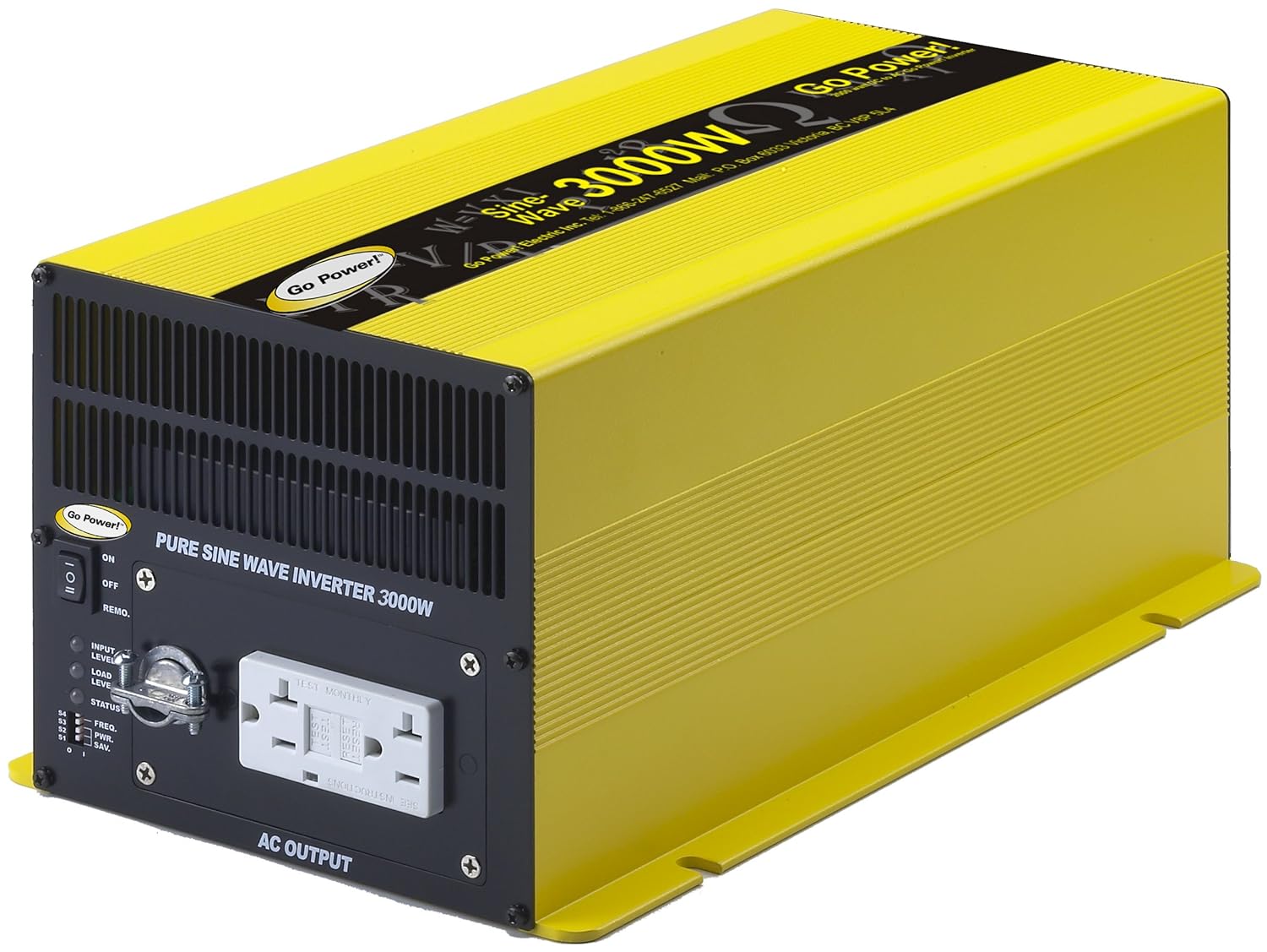
sine wave inverter
sine wave inverter
Batteries
The inverter works alongside batteries for power. To prolong the run time there are 2 basic installation options. You have the parallel configuration or series configuration. The series configuration is meant to increase voltage while the parallel configuration is to prolong run time and increase capacity.
Installation options
·         Series configuration
·         Parallel configuration
Uses of inverters
The technology can be incorporated into an electroshock weapon. Other applications include HVDC transmitter, induction heating or a solar inverter. Others uses are grid- tied inverters designed to feed electric power distribution.
You find them in refrigeration compressors and electric motor speed control. However the most popular use especially in third world countries is to supply AC power for uninterrupted power supply.
Uses
·              incorporated into an electroshock weapon
·             HVDC transmitter
·             induction heating
·            solar inverter
·            grid- tied inverters
·            refrigeration compressors
·            electric motor speed control
·            AC power for uninterrupted power supply.
electric car
electric car
The Economic importance of Inverters
The ability to convert DC electric from batteries, fuel cell to electricity is the main attraction. This enables easy operation of AC equipment. The economic importance of inverters is based on the application.
They provide uninterrupted power supply to complement current from the grid. The inverter is used alongside batteries to supply AC power. Once the main power is restored the rectifier supplies DC power to recharge the batteries.
Business License
To operate a manufacturing company you need a business license. Secure a trade license from the municipal authorities, value added tax registration and trademark registration. You need a business license from ROC, factory license, anti pollution provisions.
Licenses
1business license
2 trade license from the municipal authorities
3 value added tax registration
4 trademark registration
5 factory license
6 anti pollution provisions
Inverter Manufacturing Raw Materials
A huge amount of raw materials goes into the manufacturing of inverters. Components you need are switches, diodes, resistors, capacitors. You need heat sink, S.C.R, LED, ICS. More include sockets, PCB, lug, relays, auto wires, wire, and sleeves.
Others are fuse holder, mains lead, tapes copper wire, pre-set. Purchase sleeves plastic formers, coir, hardware fittings, impregnated compound varnish and P.F, Fuse holder.
Raw Materials
1 Switch
2 diodes
3 resistors
4 capacitors
5 mosfet
6 a heat sink
7 S.C.R
8 LED
9 ICS
10 sockets
11 PCB
12 plug
13 relays
14 auto wires
15 wire
16 sleeves
17 fuse holder
18 mains lead
19 tapes
20 copper wire
21 pre-set
22 plastic formers
23 hardware fittings
24 impregnated compound
25 varnish
26 P.F
27 Fuse holder.
light bulb
Inverter Manufacturing Machinery
There is a few machinery or equipment you need. Buy a frequency counter, multi-meter, winding machine, coil winding machine. You need LCR Bridge (digital), Flow soldering machine; true RMS meters (4 digits).
More equipment is Ocilla scope dual trace 10 MHz, surface mounting equipment. You have the line frequency monitor, power analyzer, megger, testing equipment, HV tester, Rheostats and drummer stat 4to 8 Amps.
manufacturing Equipment
1 frequency counter
2 multi-meter
3 winding machine
4 coil winding machine
5 LCR Bridge(digital)
6 Flow soldering machine
7 true RMS meters (4 digits)
8 Ocilla scope dual trace 10 MHz
9 surface mounting equipment
10 line frequency monitor
11 power analyzer
12 megger
13 testing equipment
14 HV tester
15 Rheostats, drummer stat 4Amps to 8 Amps.
/inverter-sma-photovoltaic
Manufacturing Process
The manufacturing process starts with the procurement of special transformers. Then you test critical components. The components are fixed, soldered on printed circuit boards.
However, the controls and sockets are assembled individually. The transformers are introduced and interconnection made. Check the power and output voltage and make adjustment. Then perform a series of quality control measures.
How to Assemble an Inverter
1Different components are assembled on printed circuit board based on design
2 The power, output voltage and wave forms are checked
3 The necessary adjustments are made
4. The chassis is enclosed in a cabinet, and connections completed.
5. Inverters of different capacity are made with input voltage 12V, 24V DC and output 230 V AC
Marketing Potential
A manufacturer should focus on countries with power generation and distribution challenges. Despite the huge improvement in power generation in a country like Nigeria citizens still experience over 14 hours blackout. The demand is huge considering the over 150 million people in the country.
Common applications are found in Automated Teller Machines, banks, home use, and hospitals. The need for a stable source of electricity has driven the market.
In India the market is huge however investors would have to compete with established brands. The investor could launch a marketing campaign through electronic and print media.
Use television advertisement, discounts and proper pricing to attract patronage. You need good wholesalers and distributors to help push the brand.
Related Posts
20 Eco friendly green business 
start battery reconditioning business
how to get exide battery dealership 

How to Hire a Broker to Sell You Website

There are basically two ways to sell your website. You can list the site, find a buyer and negotiate a fair price. The other option is to use a website broker as an intermediary. There are also brokers who specialize in domain names.
The job of a broker is to facilitate the sale of your blog or website. They strive to find an agreeable price for the property using their knowledge and experience. Most times a broker would get a better deal than the owner if they choose to sell by themselves.
2 dice with buy sell

Who Needs a Broker?

Generally a broker only deals with sites that earn $100,000 to $4million a month. If your site earns $400 you are better selling it yourself. However some brokers would consider sites that are worth $25,000 and above.
Why Hire a Broker
The question is why hire a broker and pay a percentage of the sale. The answer is simple. The broker understands the market and has a wider reach. They generally have people interested in certain property.
The broker is driven to perform because they earn only when a sale is concluded. They also protect the confidentiality of both parties and maximize the sites earning potential. They also remove the burden of negotiating or stress associated to property sales.
A good broker should have a contact list, sales channels and credibility. They also need to have god negotiating skill and promotional strategy. They understand the buyers market and organize and present relevant statistics to backup their sales pitch.

Advantages of using a website Broker

•    The broker understands the market
•    has a wider reach
•    they have a contact list
•    sales channels
•    credibility
•    god negotiating skill
•    promotional strategy
•    They understand the buyers market
•    present relevant statistics
•    good sales pitch
website for sale

What They Do

The broker manages the portfolio of the client.  They discus with website owners and agree on a percentage on sale of the web property. A good website broker works with statistics. They valuate ascertain the true value of the website and ways to improve the stats.
Functions of a broker include understanding market potential, traffic analysis, price, business model and profitability. They also identify buyers, draft contracts and assist in the sales. They also improve the site SEO in the short term to improve the value.
They negotiate, advertise, list, and facilitate money transfers. The web broker would work on a presentation, compile offers and do the paperwork. This includes writing a letter of intent, escrow and sales finalization.

Job of a Website Broker

1.    manages the portfolio of the client
2.    discus with website owners
3.    agree on a percentage on sale
4.    works with statistics
5.    valuate
6.    ascertain the true value of the website
7.    improve the stats
8.    they understanding market potential
9.    study traffic analysis
10.    price
11.    business model
12.    profitability
13.    they identify buyers
14.    draft contracts
15.    assist in the sales
16.    improve the site SEO in the short term
17.    they negotiate
18.    advertise
19.    list
20.    facilitate money transfers
21.    they work on a presentation
22.    compile offers
23.    do the paperwork
women, computer

What Happens When You Use a Brokerage Site?

The seller could alternately list the property on a brokerage site. The brokerage site lists the website and takes a set percentage after the auction is concluded. So any way you look at it you still have to pay someone a percentage. Some brokerage sites collect an upfront listing fee.
There are some good individual brokers on Flippa. Before using their serves there are a few things to ask. You need to know their success fee and type of exposure your listing gets on the site.
The account management serve should have a success fee not higher than 18%. There should be a listing upgrade to homepage / premium auction. Other advantages should include editor’s choice, message handling and feature in the weekly newsletter.
The websites listing sent through email to top watchers, social connections, research and outbound marketing services. The broker should also monitor post auction transactions.

Flippa Broker Account Management Services

•    A success fee not higher than 18%
•    listing upgrade to homepage / premium auction
•    editor’s choice
•    message handling
•    feature in the weekly newsletter
•    email to top 200 watchers
•    social connections
•    research
•    outbound marketing services
•    they should also monitor post auction transactions

How Long To Sell a Site

The duration for a sale could be a few days to several months. A site like Flippa allows a maximum duration of one month. If the site is not sold within this period it could be re-listed. Therefore a good time frame is between 1 to 6 months.

How to Find a Website Broker

The first step to hiring a broker is to study his antecedents. Find out the persons success rate and professional background. Make sure the person is legitimate, certified and trustworthy.
Find out if the person is part of a bigger organization or a freelancer. Look for reviews or testimonials. Ask relevant questions such as commissions, websites they have sold and their sales strategy.
You need to verify if the information you receive is accurate and search third party websites for information. Verify the contact information and operational base of the broker.
Find out how many websites they have in their current portfolio. A good broker should have a few at every given time. It is essential to verify their claims and use only legitimate professionals.

Top website Brokers

The size of the website would determine the website broker to engage. If your sites market value is less than $ 60,000 then you need a mid range broker. A good place to list your property is Flippa.
They accommodate low and mid range websites and charge a small listing fee.  The site is put up for auction and the highest bidder wins. Payment is done via escrow or PayPal depending on your preferred payment option.
Another broker options for website owners are Digital Exits for high end websites. If your site revenue is $100,000 to $4million then they are your best bet.
Other good brokerage sites to consider are FE International, We Sell Your Site, Digital Acquisitions and Quiet Light Brokers. To use FE International your site should generate $25,000 to $5 million.

List of Website Brokers

•    Flippa Deal Flow
•    Wired Investors
•    Digital Exit
•    We Sell Your Site
•    FE International
•    Flippa
Ways to Sell Digital Products from your Website
7 Places to Sell Your Website or Blog

Conclusion

The website and domain market offers webmaster a veritable source of income. There is huge potential for growth and the market keeps improving. To maximize your success you could leverage on the skills of a broker.
However, most website brokers deal with site with revenue $20,000 to $4 million. The broker would offer the seller a better chance at making top dollar for the property. If you intent buying or selling you can use a broker.
Related Posts
How to Buy and Sell Websites for Profit
How to Transfer or Sell a Blogger Blog
How to Sell a Wordpress Hosted Blog on Flippa
How to Rank on Googles first page without backlinks

How to Start Watermelon Farming in Nigeria


Watermelons are sweet juicy fruits with lots of health benefits. The nourishing fruit is grown extensively in West African countries. They are also cultivated in Asian countries, Egypt and India.

The popular fruits earliest record goes back 4000 years in ancient Egypt. Easy to grow it requires good soil, water, adequate sunlight. To start a watermelon farm secure farm land, purchase seedlings, prepare the soil, grow.

Health Benefits of Watermelon

The fruit is believed to aid the body’s metabolism, control obesity and unclog blood vessels. It contains lots of vitamins, folic acid, iron, magnesium, good source of potassium.

Watermelon

How to Start a Watermelon Farm

  •  Secure farm land
  • know the planting season
  • purchase/prepare seed
  • prepare soil organically
  • cultivate
  • harvest when ripe
  • marketing and sales

Secure Farm Land

Secure a good farm land for the cultivation of the melons. The best soil composite is loamy or sandy soil. It is essential you introduce fertilizer to the soil. Find an area with adequate sunlight, water.

The water sources could be a stream, river, well or borehole. Watermelon plants only need moderate amount of water to grow. The farmer could lease farm land or purchase accordingly.

  • loamy or sandy soil
  • introduce fertilizer
  • area with adequate sunlight
  • good water source

Prepare the Seeds

The juicy fruit is known to have lots of seeds. The farmer should use only quality seeds for better yield. To check the quality of the seed dip in 4% solution of salt/water. Quality seeds tend to sink to the bottom and are ideal for farming.

Prepare Seeds: To prepare the seed for planting you need to follow some simple steps. Sowing the seeds without preparing them would not yield any result. This is because the seeds have a leathery shell.

To prepare the seeds soak in warm water daily. The water temperature should not exceed 35C. The next step is to heat the seeds under the sun for a period of 9-10 days. This makes the seeds resistant to disease, ready for planting.

start a fruit selling business in India

Cultivation Method

Conventional cultivation method is to create rows for the seeds 2.5m. The distance between crops should not exceed 2m.

The depth of the sow hole depends on the type of melon.  The soil should be fertilized and composited, and then introduce the prepared seeds.

You can use a seed per hole to achieve larger melons. Make sure you provide adequate space between plants to accommodate the fruit. For best result use organic fertilizer or compost.

Avoid fresh manure because it affects the quality, taste, plants resistance and hasten ripening. Make sure the plants are uniformly distributed in rows. Once they grow on the central stem control the fruit formation.

how to plant watermelon

Watering the Plant

Watermelons tend to have long roots that are capable of finding water. The early stage of growth needs occasional watering to grow the plant.

Pollination is generally achieved by flying insect attracted to the flowers. To achieve quick fruiting pollinate 'yourself' by introducing male to female flowers.

Harvesting the Watermelons

Make sure the watermelons are fully ripe before harvesting. The fruits are durable and long lasting. A ripe fruit feature uniformity in color and is well rounded.

You need heavy duty truck to carry the bulky fruits to the market. Sell you produce to wholesalers, fruit vendors, market women, supermarkets. Others potential customers are beverage drink makers, fruit stands.

Where to Sell Watermelon

  • Fruit wholesalers
  • fruit vendors
  • market women
  • supermarkets
  • beverage drink makers
  • fruit juice manufacturers
  • fruit stands

Planting Season in Nigeria

The best planting season in southern Nigeria are March, June, September. The northern areas plant in May and July.


Starting a Fruit Selling Business in Nigeria

Although each fruit type is seasonal and perishable they provide an ideal investment opportunity. Fruits are loaded with essential nutrient, energy, natural supplements for our body. They taste nice are delicious, easy to digest.
They aid bowel movement, provide fibers and are low in calories. Fruits have many economical values in the food, beverage and manufacturing industry. To start a fruit business you need finance, suppliers and store.
Types of Fruits
The list of edible fruits found in Nigeria is huge. Popular fruits are oranges, lemon, pineapple, and apple.
Others are banana, pawpaw, guava, grape, watermelon. More include carrots, tangerine, plantain, mangoes and pear. You can sell a combination of fruits or specialize in one type.
Fruit Selling
Fruits
  • Oranges
  • Lemon
  • Pineapple
  • Apple
  • Banana
  • Pawpaw
  • Guava
  • Grape
  • Watermelon
  • Carrots
  • Tangerine
  • Plantain
  • Mangoes
  • pear
Economic Aspects of Fruits
Apart from the benefits derived from the consumption of fruits they have good economic value. They are eaten raw, processed, cooked or roasted.
You can add them to meals, blend or make into fruit juice. Fruit selling provides good income for the investor.
An investor could go into wholesale, retail or production. Manufacturing beverages involves huge capital investment in machinery, factory location, utilities, personnel, transport and marketing.
However retiling requires small startup of less than N100, 000.  About N500, 000 to N1, 000,000 is sufficient to go into wholesale. Popular wholesale fruit markets in Lagos Nigeria are Ketu Fruit Market, Ojo Market, and Mile 12.
Find Suppliers
A wholesaler or retailer needs to find a credible supplier. Wholesalers generally buy directly from farmers in remote areas. Sometimes they work through middlemen who contact the farmers.
The fruits are then gathered, transported to the major markets. Top producers of fruits are the northern parts of Nigeria. However fruits are found in abundance throughout the nation.
Fruit Retailer
A fruit retailer buys directly from wholesalers or farmers. They supply supermarkets, grocery stores, market women. The retailer can open a store to sell directly to customers.
Fruit juice Producers
 A person might decide to go into fruit Juice production. This involves juicing equipment, preservatives, airtight packaging, branding. The juice could be patented and needs NAFDAC.
Licensing
Only manufacturers need   NAFDAC registration number. You could get a business name, trade license. There are some local government levies including membership of associations.
Location
The location of the business should be in a commercial area. Ideal locations are close to their market base. Other good locations are busy roads, walkways, areas with heavy vehicular, human traffic. .Make sure the office has storage equipment, refrigerator, generator.
Ideal Location for Fruit Stall
Marketing
Marketing fruits is very easy because of their health benefits. To sell you fruits you can get a stall in a popular fruit market. Other ways include selling through on online portals or a website. Try home delivery, word of mouth, supermarkets or network with fruit sellers.


How to Start a Small Fruit Juice Business in India

Mumbai is an urban city that runs 24 hours and ideal for fruit juice bars. The business is very lucrative, easy to establish. Fruit juice is delicious, refreshing and nutritious. There are many health benefits to drinking juice

There are some things to consider before starting a fruit juice business. Find out the popularity of the fruit among locals, and then prepare a business plan, budget. Make sure the fruit is readily available in the local market. Choose different verities of fruit and aim for quality.

Fruit Juice Business
source-/i.pinimg.com

How to Start a Fruit Juice Business

Location

The location you choose will determine the success or failure of the enterprise. You need to locate the business in a busy area with heavy human traffic.

Ideal locations are near offices, schools, shopping or commercial areas. Others are supermarkets, within shopping center, mall or entertainment center. Visibility, proximity to market base is essential.

Stand Out

The juicing business could be very boring without innovation. You need to stand out from the pack. Differentiate your products by creating interesting mixtures that are tasty and fun.

Experiment with smoothies, recipes or add snacks to menu. Use a good interior designer to create an interesting ambiance. Give your products unusual names, offer competitive prices. You can provide attractive menu cards to your customers.

Juice Bar Equipment

The juice business requires only basic equipment. You need a juicer, blender, mixing cups, filers. Others are cocktail glasses, cash register, glass cups and refrigerator. Buy a generating set in the event of power failure. You need proper utilities like electricity, portable water and disposal units.

  • Juicer
  • Blender
  • mixing cups
  • filers
  • cocktail glasses
  • cash register
  • refrigerator
  • generating set

Service

Work on staff training to offer your customers good service. A fruit juice bar can operate with one or two personnel.

You need a juice mixer, service person to perform multiple tasks like cleaning, cash collection and accounting. You can run the bar yourself or hire additional help.

Supplies

To maximize your profit purchase the fruits in bulk. Contact wholesalers or farmers in your area. Bulk purchase reduces costs significantly, offers fresher juice.

Financing the business is relatively easy. You need funds for a juice bar, equipment, raw materials and interior décor. Secure funds through target savings or borrow from family, friends. You could decide to take on a partner or approach a thrift credit society.

Legal Requirements

The legal requirements involve need FSSAI license and registration. Register the shop as a sole proprietor business or private limited liability company. You could get insurance cover, fill tax requirements. There is also food handler health, safety provisions.

Fruit Juice Production

You might decide to expand your business to package fruit juice. The type of fruit juice level of purity depends on the manufacturer. They must however place a label indicting the content, date of production and ingredients. The level of purity should be clearly displayed on the packaging.

Fruit Juice Production Equipment

Fruit juice production needs specialized equipment. The equipment you need are laboratory equipment, juice extractor, cooling, labeler, sealing, intake equipment.

The type of equipment could be locally fabricated or imported. It could be fully automated or semi-automated depending on your funding.

  • laboratory equipment
  • juice extractor
  • cooling
  • labeler
  • sealing
  • intake equipment

Fruit Juice Production Process

The production process depends on the type of fruit juice. To produce fruit juice you need fruit selection, preparation. Next stage is juice extraction, straining, filtration. The final process involves cooling, packaging, storage.

Fruit Juice Production Flow Chart

Fruit selection– preparation– juice extraction– straining- filtration- cooling– packaging - storage.

Methodology

Collect the fresh fruit, sort, and wash using a rotary brush system. This process is important to remove impurities like leaves, dirt, and sand.

The fruits are then crushed into pulp with a pressing machine. After pulping it goes through straining, centrifugal then filtered. The filtering process removes particles such as seeds, skin, and fruit tissues.

The cooling stage ensures good color, nice tasting juice.  Before filling the bottles they must go through sterilization. Filling machine is deployed in the packing stage including vacuum mechanism.

Fruit Selling Business

Advertise the Business

The business of making juice is very competitive. Therefore you need to advertise the product.  You can distribute pamphlets, use television, radio and print. Print flyers, posters, banners, billboard. Fruit makers need to find outlets such as supermarkets, mall and retailers.

How to Start a Watermelon Farm